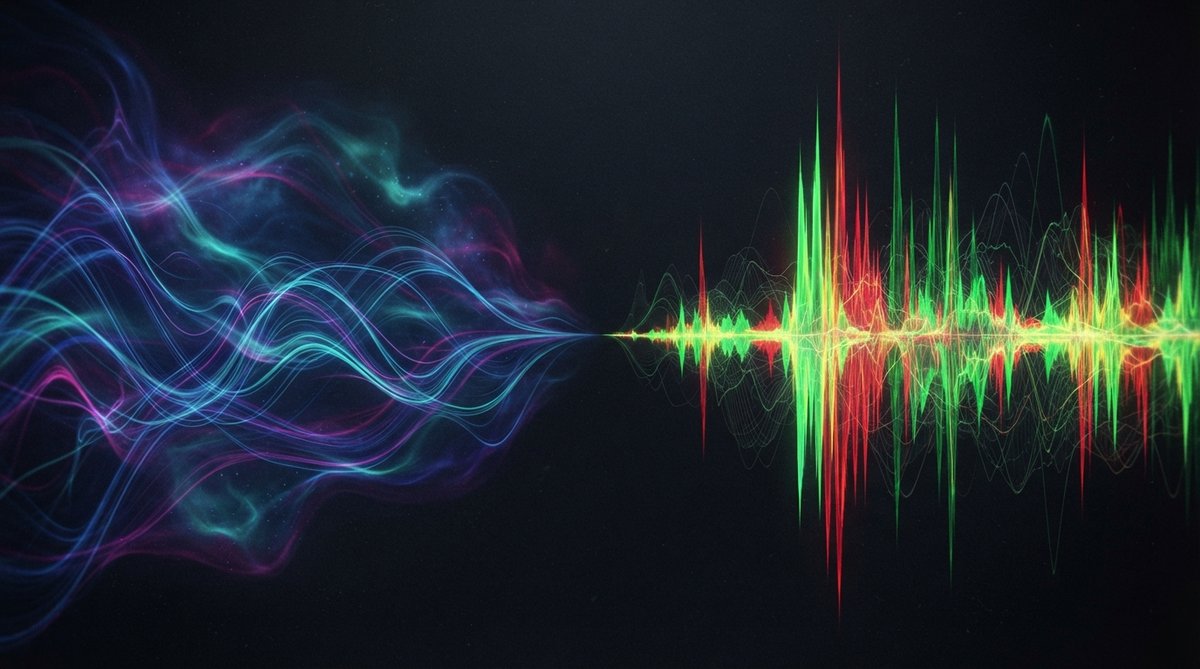
Crafting Cinematic Textures
Cinematic textures are all about atmosphere, mood, and storytelling. They're often evolving, spacious, and designed to evoke emotion without necessarily being melodic. Think vast soundscapes, eerie drones, or shimmering pads that build tension or provide a sense of awe.
To build these textures, start with synthesis. Simple waveforms like sine or saw waves can be transformed into complex pads through heavy processing. Layering multiple synth patches, each with unique characteristics, creates depth. The key is often movement and evolution within the sound itself.
Reverb is your best friend here. Long, decaying reverbs are essential for creating vast spaces. RedVerb 2 allows you to load impulse responses and then sculpt the size and decay, letting you fine-tune the character of your virtual room. For a classic, slightly grainy 80s digital vibe, JP-ME-1 offers iconic sounds that instantly add retro ambience. Don't forget modulation effects like chorus; JUNI 1984 CHORUS can add beautiful width and subtle movement, transforming static sounds into something more alive. For more on reverb sculpting, check out Beyond The Basics Sculpting Reverb Size And Decay For Perfect Ambiance and The Definitive Guide To 80S Digital Reverb Crafting Retro Soundscapes. You can also explore The Role Of Ambience In Modern Production Beyond Reverb For Spatial Depth for broader spatial techniques.
Cinematic textures thrive on sonic evolution, expansive reverbs, and subtle modulation to create immersive emotional landscapes.
Beyond basic effects, consider multiband dynamic enhancement and saturation. OOMPH can be invaluable for bringing out specific frequency ranges within your evolving textures, adding a subtle sheen or a touch of controlled grit. Its multiband capabilities allow you to enhance clarity in the highs while adding warmth to the mids, or even widen specific frequency bands for an ethereal stereo spread. This kind of detailed control helps refine your textures and make them sit perfectly in a mix. For deeper dives into such processing, read Mastering Multiband Dynamics Shaping Your Mix With Frequency Specific Control and The Power Of Multiband Saturation Adding Warmth Character To Specific Frequencies.
Designing Driving Techno Basslines
Techno basslines are the backbone of the genre, providing rhythmic propulsion and a deep, often hypnotic groove. They need to be powerful, clear, and sit perfectly with the kick drum. The focus here is on impact, presence, and a solid low-end foundation.
Subtractive synthesis is a popular choice for techno bass. Start with simple waveforms like saw, square, or sine waves. Filtering is critical to shape the tone, from warm and round to aggressive and resonant. Pay close attention to your sub-bass frequencies; a strong, clean sub-bass is paramount. For more on this, refer to The Art Of Sub Bass Design Crafting Low End Foundations.
To achieve punch and clarity, dynamic processing is key. Use a compressor, often sidechained to the kick drum, to create that characteristic pumping effect and ensure the bass makes room for the kick. OOMPH can also be used effectively on techno basslines to maximize their impact. Apply its dynamic enhancement and saturation to specific frequency bands to bring out harmonics, add grit, or simply increase perceived loudness without sacrificing clarity. This helps the bass cut through the mix without becoming muddy. For techniques on achieving powerful bass, look at Crafting Punchy And Clear Basslines and The Role Of Saturation In Modern Mixing Adding Harmonics And Warmth. Sidechain compression is covered in detail in Beyond The Pump Mastering Sidechain Compression With Visual Feedback.
A powerful techno bassline combines solid sub-bass synthesis with precise dynamic processing and visual analysis for rhythmic precision.
Visual feedback is incredibly useful for techno bass. Oszillos Mega Scope provides a real-time visualization of your waveforms, allowing you to fine-tune the alignment of your bass and kick drum. Seeing how their transients interact helps you make precise adjustments for a tight, impactful low end. Simultaneously, Spectrum 2 offers a multi-channel frequency analysis, letting you identify and resolve any clashing frequencies between your bass and other elements. This ensures your bass remains clear and powerful, without muddying the mix. Read more about low-end alignment in Achieving Tight Bass Visualizing Low End Interactions For A Powerful Mix and How To Align Bass And Kick With Oszillos Mega Scope. For general frequency analysis, see Beyond The Ears Using A Spectrum Analyzer For Precise Eq Decisions and Identifying And Fixing Frequency Clashes For A Crystal Clear Mix.
Conclusion
Whether you're crafting expansive cinematic textures or designing driving techno basslines, genre-specific sound design is about intentional choices and effective tool utilization. By understanding the core characteristics of each genre and employing synthesis, effects, and analysis tools strategically, you can create sounds that are not only technically proficient but also emotionally resonant and impactful.