What Are Frequency Clashes?
At its core, a frequency clash occurs when two or more instruments or sounds occupy the same or very similar frequency ranges within your mix. Imagine multiple singers all trying to hit the same note at the same time, but in the sonic spectrum. While each sound might be fine on its own, when combined, their fundamental frequencies and harmonics overlap excessively. This overlap causes a buildup of energy in those specific frequency bands, leading to a lack of clarity and definition.
The Problem: A Muddy, Unclear Mix
The most noticeable symptom of conflicting frequencies is a 'muddy' or 'boxy' sound. Individual instruments lose their distinct character, and the entire mix can feel crowded and indistinct. Basslines might disappear, vocals might struggle to cut through, and drums might lack punch. It's like looking at a blurry photograph where all the details are smeared together. This lack of clarity prevents your mix from sounding polished and professional.
A clear mix allows every element to breathe, ensuring your music communicates its full impact without sonic clutter.
Identifying Clashes: Beyond Just Your Ears
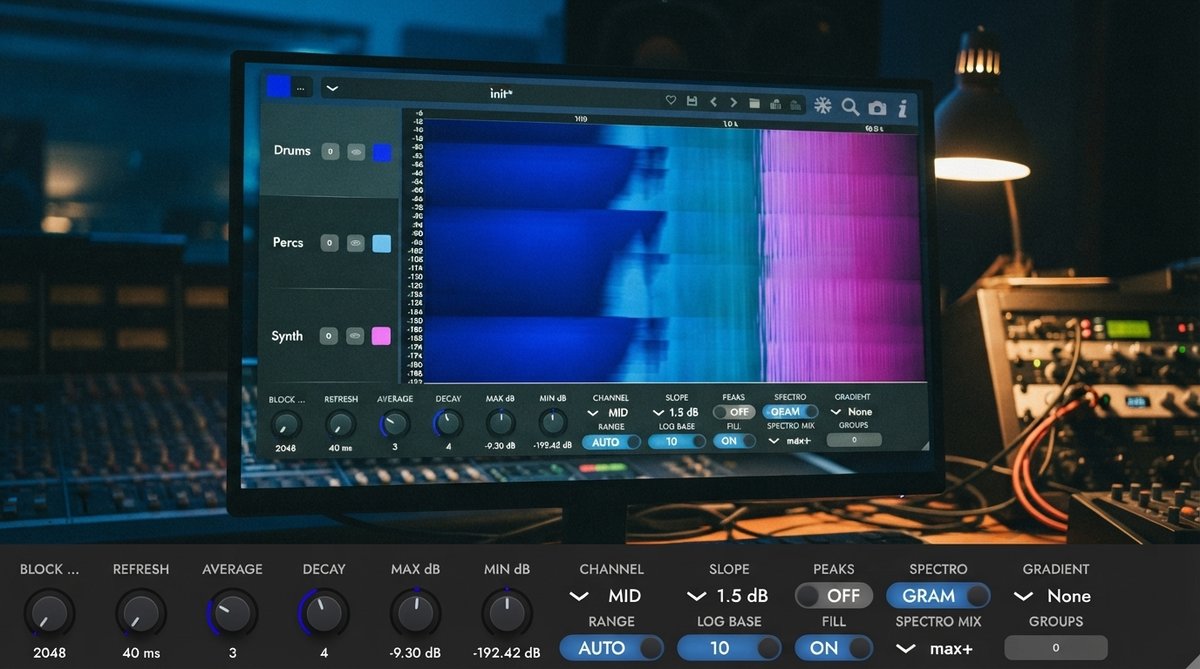
While your ears are your primary tool, visual feedback from a spectrum analyzer can dramatically speed up the process of identifying problematic frequency buildups. Tools like Spectrum 2 are designed specifically for this task. You can place instances of Spectrum 2 on multiple tracks, or even on your master bus to monitor the overall frequency content of your mix. Its multi-channel display allows you to visually compare the frequency distribution of different instruments simultaneously, quickly revealing where energy overlaps are occurring. For a deeper dive into using visual tools, check out Beyond The Ears Using A Spectrum Analyzer For Precise Eq Decisions.
A multi-channel spectrum analyzer is like an X-ray for your mix, revealing hidden frequency buildups that might be difficult to hear clearly in a dense arrangement.
Practical Fixes for Conflicting Frequencies
Once you've identified the clashing frequencies, it's time to resolve them. The goal isn't to remove frequencies entirely, but to carve out specific spaces for each element.
Surgical EQ
Subtractive EQ is your best friend here. If a bass guitar and a kick drum are clashing in the low-mids, you might gently cut a narrow band in the bass guitar around the kick's fundamental frequency, and vice versa. Similarly, if a synth pad is masking a vocal in the 1-3 kHz range, a subtle cut in the pad can create the necessary space for the vocal to shine. Remember, small, precise cuts are often more effective than wide, drastic ones. For more on EQ, explore Mastering Eq For Vocals Clarity Presence And Space.
Panning and Stereo Width
Giving instruments their own space in the stereo field can reduce perceived clashes, even if they share similar frequencies. Panning elements left or right can create separation. For more advanced control, plugins like OOMPH offer frequency-specific stereo width adjustments. This allows you to widen certain frequency bands of an instrument while keeping others focused, helping to spread out clashing elements. Learn more about this technique in Frequency Specific Stereo Width Using Mid Side Processing For A Deeper Soundstage.
Arrangement and Sound Selection
Sometimes, the best fix for frequency clashes happens before you even touch an EQ. Consider your arrangement: do you have too many instruments playing in the same octave or frequency range? Could a different synth patch or guitar tone reduce the overlap from the outset? Thoughtful sound selection and arrangement can prevent many mix problems before they start.
Dynamic Processing
Dynamic EQ or multiband compression can also help, especially for transient clashes. If two instruments only clash when they hit simultaneously, a dynamic EQ can duck the problematic frequency in one instrument only when the other is active. OOMPH's multiband capabilities can be used to manage dynamics and enhance clarity in specific frequency zones.
Bringing it All Together for a Crystal Clear Mix
Identifying and fixing frequency clashes is an ongoing process throughout your mix. By combining careful listening with visual analysis from tools like Oszillos & Spectrum Bundle, and applying precise EQ, panning, and dynamic techniques, you can transform a muddy mix into a clear, punchy, and professional-sounding track. The goal is always a balanced spectral landscape where every instrument has its place and contributes to the overall sound. For more on this, read The Art Of Spectral Balance How To Achieve A Professional Sounding Mix.