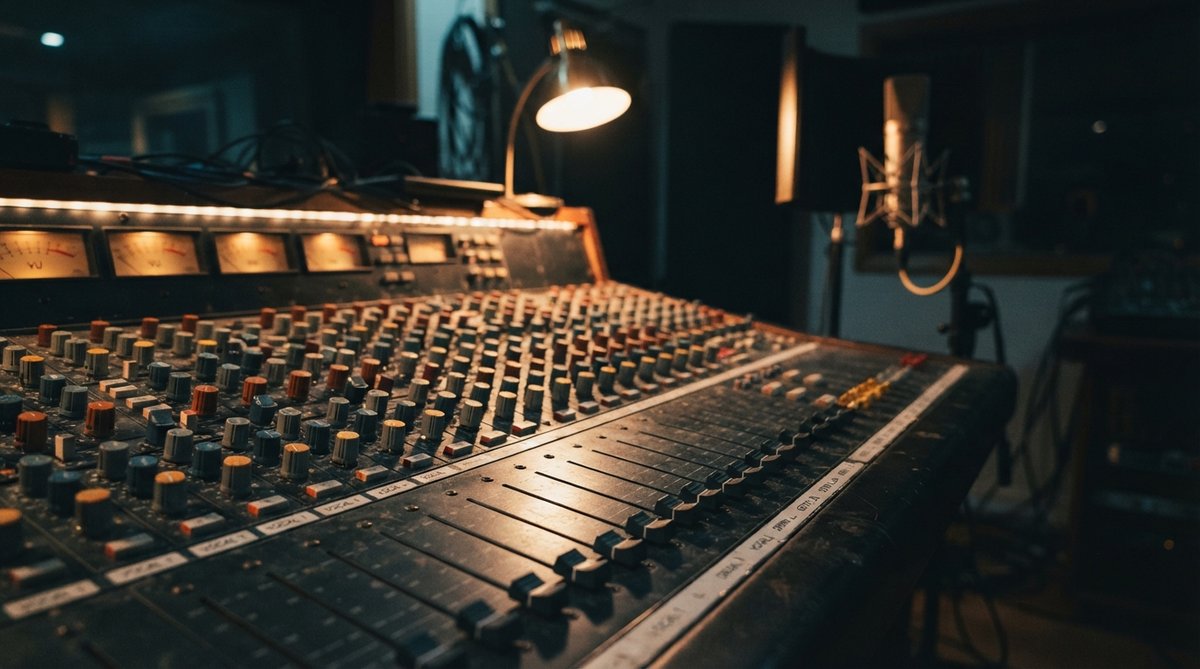
Capturing the Performance: Vocal Recording
The foundation of a good vocal lies in the recording itself. Before you even think about effects, focus on the source: the vocalist, the microphone, and the recording environment. Choose a microphone that suits the vocalist's voice and the song's style. Experiment with microphone placement; even small adjustments can make a significant difference to tone and proximity effect. Pay close attention to your recording space. Treating your room for reflections can prevent unwanted echoes and muddy frequencies, giving you a cleaner signal to work with. Optimizing Your Studio Space Understanding Room Acoustics For Better Mixes A clean signal at this stage saves a lot of headaches later.
A well-recorded vocal reduces the need for heavy processing, allowing the performance to shine naturally.
Refining the Take: Vocal Editing
Once recorded, the vocal track often needs detailed editing. This stage includes several critical steps: * Comping: Combining the best phrases and words from multiple takes to create a single, flawless performance. The Art Of Vocal Comping And Tuning Achieving Polished Performances * Timing Correction: Gently adjusting notes or phrases that are slightly off the beat. Be careful not to over-quantize, as this can make the vocal sound robotic. * Pitch Correction: Using tools to subtly correct intonation issues. The goal is natural-sounding accuracy, not auto-tuned artificiality, unless that is your artistic intention. * Noise Reduction: Removing unwanted background noise, hums, or clicks. Tools for de-essing and de-noising are essential here to clean up the performance without making it sound sterile. De Essing And De Noising Vocals Cleaning Up Your Performance
Building the Vocal Chain: Mixing for Impact
The mixing stage is where you shape the vocal to sit perfectly in the track. A typical vocal chain involves several processors, each serving a distinct purpose.
Equalization (EQ)
EQ is your first major tool for shaping the vocal's tone. Use it to remove mud in the low-mids, add clarity in the upper-mids, and introduce air in the highs. Be precise with your cuts and boosts. A multi-channel spectrum analyzer like Spectrum 2 can be invaluable here, allowing you to visualize the vocal's frequency content and identify any clashes with other instruments. Mastering Eq For Vocals Clarity Presence And Space This helps you make informed decisions beyond just listening.
Compression
Compression helps control the vocal's dynamics, evening out loud and soft passages to ensure consistent presence in the mix. Often, two or more compressors are used in series: one for gentle leveling and another for more character or punch. Visualizing the waveform with a tool like Oszillos Mega Scope can help you fine-tune attack and release settings, seeing how the compressor reacts to transients. Understanding Compression Ratios From Subtle Glue To Aggressive Punch
Dynamic Enhancement and Saturation
After basic compression, you might want to enhance specific aspects of the vocal. A multiband dynamic enhancer like OOMPH allows you to target particular frequency ranges, adding punch, clarity, or saturation. For example, you can boost the presence of the vocal's upper midrange without affecting the low end, or add subtle harmonic richness. The Power Of Multiband Saturation Adding Warmth Character To Specific Frequencies
Time-Based Effects: Reverb and Delay
Reverb and delay add space and depth to the vocal, helping it sit in the mix's soundstage. * Reverb: Choose a reverb that complements the song's genre and mood. A short, subtle plate or room reverb can add a sense of space without pushing the vocal too far back. For specific vintage sounds, an emulation like JP-ME-1 offers classic 80s digital reverb character. If you prefer to use custom impulse responses, RedVerb 2 provides control over their size, decay, and pre-delay. The Essential Guide To Reverb Pre Delay Adding Depth And Clarity To Your Mix * Delay: Delays can add rhythmic interest or simply widen the vocal. A short slapback delay can add thickness, while longer, tempo-synced delays create atmospheric effects.
Modulation and Other Effects
Don't be afraid to experiment with other effects like chorus, flanger, or subtle distortion to add character. A chorus effect can thicken a vocal and add stereo width, used sparingly it can be very effective. Beyond Synths Creative Ways To Use Chorus On Vocals Guitars Reverbs The key is to use these effects purposefully, ensuring they enhance the vocal without distracting from the core performance.
Every step in the vocal production workflow, from tracking to effects, builds towards a cohesive and impactful final sound.
Conclusion
Producing great vocals is an art that combines technical skill with creative judgment. By focusing on a solid recording, meticulous editing, and a well-considered mixing chain, you can ensure your vocals always stand out. Remember that every song and vocalist is unique, so be prepared to adapt these techniques to suit the specific needs of your production.