What is Orchestration in Electronic Music?
In traditional music, orchestration involves arranging parts for an orchestra. For electronic musicians, it means assigning specific roles to individual sounds or layers within a track. This process builds a cohesive sonic image, where each element contributes to the overall texture and emotional weight of the composition. It is about understanding how different sonic elements interact and how to arrange them to achieve a desired musical effect.
The Power of Layering: Building Depth and Character
Layering is fundamental to electronic music orchestration. It allows you to create sounds that are thicker, fuller, or more complex than any single sound could be on its own. Imagine a simple synth pad; by layering it with a brighter, shorter attack sound and a deeper, sustained texture, you can craft an entirely new instrument with its own unique character and dynamic response. Effective layering avoids a muddy mix and instead creates a sense of depth and dimension.
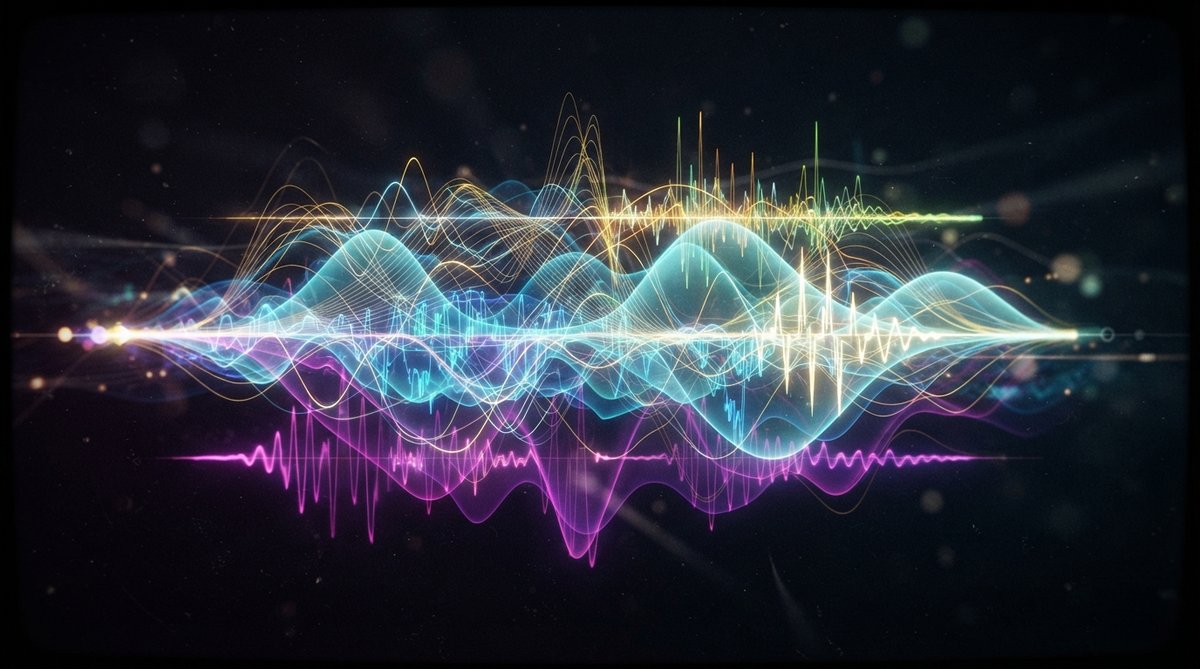
Thoughtful layering transforms individual sounds into a cohesive, impactful sonic tapestry.
Essential Layering Techniques
Mastering layering involves several key considerations:
Frequency Separation (EQ Carving)
One of the most critical aspects of layering is ensuring each sound occupies its own space in the frequency spectrum. Without careful EQ, layers can clash and create a muddy, undefined sound. Use high-pass filters to remove unnecessary low-end from higher-frequency elements and carve out specific frequency ranges for each layer. This allows each component to be heard clearly without competing. A multi-channel spectrum analyzer like Spectrum 2 is invaluable here, showing you exactly where frequencies are clashing. For more on this, check out Identifying And Fixing Frequency Clashes For A Crystal Clear Mix and The Art Of Spectral Balance How To Achieve A Professional Sounding Mix.
Dynamic Shaping and Transient Alignment
Consider the dynamic envelope of each layer. Do you want a sharp, punchy attack or a soft, evolving pad? Sometimes, layering a sound with a quick attack on top of a sustained sound gives both definition and body. For percussive elements, aligning transients precisely is vital for a tight groove. Visual tools like Oszillos Mega Scope can help you see the exact waveform and identify any phase issues or misaligned transients, allowing for precise adjustments. This is particularly useful for drum programming to ensure maximum impact; learn more at Mastering Drum Transients Visualizing Your Drum Programming For Impact And Groove.
Stereo Width and Panning
Don't confine all your layers to the center of your stereo field. Panning different layers can create a wider, more immersive sound. For example, a core lead synth might be central, while a subtle atmospheric layer is panned slightly left and another to the right. Modulation effects like chorus can also add significant stereo width and movement. Our JUNI 1984 CHORUS can add that classic analog sparkle, transforming digital synths into wider, warmer sounds. Explore further techniques for creating space with Mastering Stereo Imaging Techniques For Width Depth And Focus and What Is A Chorus Effect How To Add Width And Movement To Your Mix.
Adding Space and Depth with Reverb and Delay
Reverb and delay are crucial for blending layers and placing them in a shared acoustic space, creating a sense of depth. A short, bright reverb on one layer can make it feel closer, while a long, dark reverb on another pushes it further back. Use pre-delay effectively to maintain clarity. The RedVerb 2 allows you to sculpt reverb size and decay, or you can invoke classic 80s digital character with JP-ME-1. Understanding pre-delay is vital for clarity, as discussed in The Essential Guide To Reverb Pre Delay Adding Depth And Clarity To Your Mix and Beyond The Basics Sculpting Reverb Size And Decay For Perfect Ambiance.
Visual tools are your secret weapon for identifying and resolving frequency clashes and transient issues in complex layers.
Harmonic Layering and Saturation
Sometimes, layers need more than just EQ and panning; they need to share harmonic content to truly gel. Adding subtle saturation to individual layers or even a bus containing multiple layers can introduce harmonics that make them sound like they belong together. Tools like OOMPH can enhance specific frequency bands dynamically, adding punch and clarity to complex layers or gluing them together on a bus. For more on this, read The Art Of Harmonic Layering Building Richer Tones With Saturation And Synthesis and Glue Your Mix Advanced Bus Processing For Cohesion And Macro Tone Shaping.
Practical Workflow Tips
- Start Simple: Begin with a core sound, then gradually add layers, listening carefully to how each new element contributes.
- Less is More: Sometimes, fewer, well-chosen layers are more effective than many poorly integrated ones.
- Use Visual Feedback: Tools like Oszillos Mega Scope and Spectrum 2 provide crucial visual information, helping you make informed decisions about EQ, dynamics, and phase when your ears might be fatigued.
- Listen in Context: Always evaluate your layered sounds within the full mix to ensure they support the overall arrangement. For more on overall track structure, refer to The Art Of Arranging For Electronic Music Beyond The Loop.
Conclusion
Orchestration in electronic music is a creative journey of sound design and arrangement. By mastering the art of layering, you can transform simple sounds into complex, impactful textures that give your productions depth, character, and professional polish. Experiment with these techniques, use your tools wisely, and let your creativity guide you to truly unique sonic landscapes.