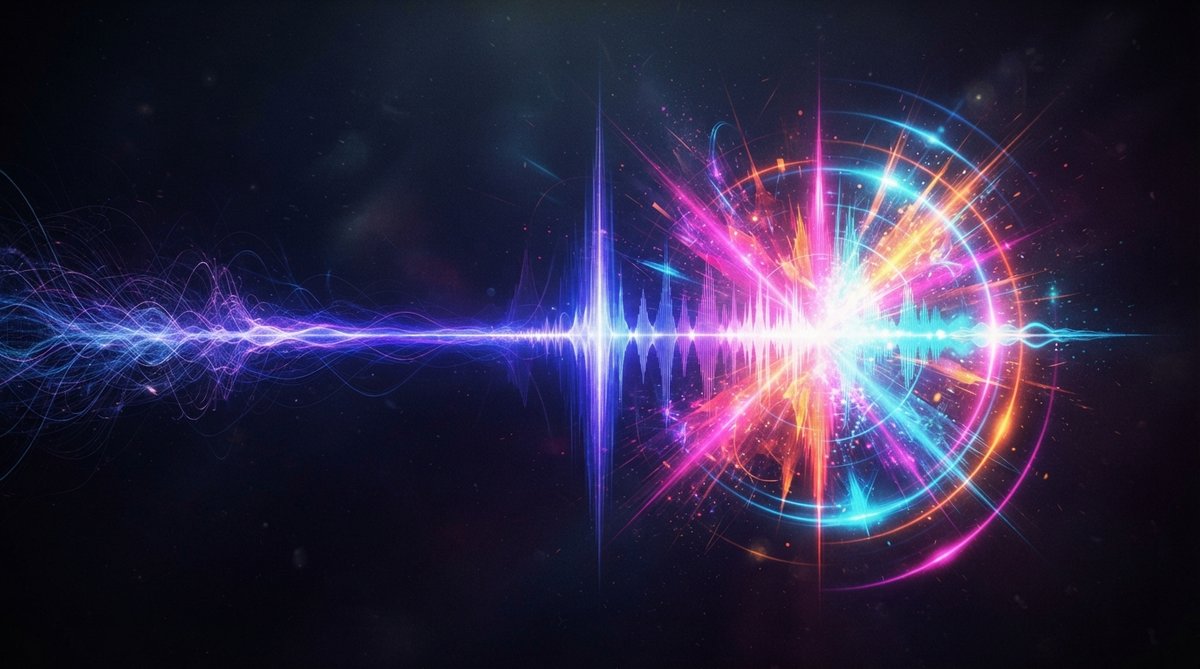
The Anatomy of a Dance Track Drop
In dance music, the drop is typically the section where the main groove, bassline, and lead elements hit hardest, delivering the peak energy of the track. Before you get there, however, you need a compelling build-up. This pre-drop section is crucial for creating anticipation, pulling the listener in, and making the eventual drop feel truly impactful.
Crafting the Build-Up: Techniques for Tension
A strong build-up relies on a combination of rhythmic, harmonic, and dynamic tension. Consider gradually increasing rhythmic density with accelerating hi-hats, snare rolls, or cymbal swells. Automation of elements like reverb tails can also contribute significantly. For example, using a long reverb on a synth stab with RedVerb 2 and automating its wet signal to increase, then abruptly cutting it before the drop, can create a powerful sense of space and tension. Alternatively, the distinct sounds of JP-ME-1 can add a classic 80s digital reverb character to your build-up elements.
A well-executed build-up is all about creating a compelling sense of expectation that the drop will then satisfy.
Harmonic tension can be built with rising synth lines, sustained chords, or modulated drones. Filtering is another effective tool. Gradually applying a high-pass filter to your entire mix, or specific elements, creates a thin sound that feels like it's 'lifting off' before the drop. As you open the filter, the low frequencies return with force. To visualize these frequency changes and ensure a smooth sweep, a tool like Spectrum 2 can be incredibly helpful, showing you exactly how the frequency content is evolving. For more on using visual tools in your mix, see Beyond The Ears Using A Spectrum Analyzer For Precise Eq Decisions.
Dynamic shifts also play a role. Automating overall gain or compression settings in the build-up can contribute to the feeling of growing intensity. You can use subtle compression to increase perceived loudness without hitting peak levels too early. For enhancing specific frequency zones dynamically, OOMPH can be used to add punch and clarity to elements within your build-up, ensuring they cut through without sounding harsh.
The Impact of the Drop: Delivering the Release
The drop is where all the built-up tension is released. The key here is contrast. Immediately after the build-up, remove most of the tension-building elements. Bring in your main kick drum, bassline, and lead synth with full force. This sudden shift in density and frequency content is what makes the drop hit hard. Ensure your kick and bass are locked in for maximum low-end impact. Visualizing your kick drum's transients with Oszillos Mega Scope can help fine-tune its attack and decay for optimal punch, as discussed in Mastering Drum Transients Visualizing Your Drum Programming For Impact And Groove.
Layering is essential in the drop. Combine your core elements with impactful one-shots, vocal chops, or additional melodic layers to create a rich, full sound. However, be mindful of frequency clashes. Use Spectrum 2 to quickly identify any competing frequencies that might muddy your mix, helping you maintain clarity and power.
Dynamic punch is paramount for the drop's impact. This is where a tool like OOMPH truly shines. Its multiband dynamic enhancement allows you to maximize the punch, clarity, and overall impact of your main drum and bass elements without over-compressing the entire mix. You can independently enhance specific frequency zones, giving your low end extra weight and your mids more presence. Consider using it on your drum bus or even the master bus for cohesion and macro-tone shaping, as explored in Glue Your Mix Advanced Bus Processing For Cohesion And Macro Tone Shaping. Remember to manage your overall dynamic range to ensure the drop feels significantly louder and more energetic than the build-up, a topic covered further in Mastering Dynamic Range Balancing Punch And Sustain In Your Mix.
The drop should be a clear, powerful release that rewards the listener for the tension you've created.
Visualizing Your Energy Curve
While your ears are the ultimate judge, visual feedback can guide your decisions, especially when orchestrating complex energy shifts. Oszillos Mega Scope provides a real-time waveform display, letting you see the transient response and overall shape of your audio, which is invaluable for fine-tuning the punch of your drums and bass in the drop. For a deeper dive, check out [LINK:unlock-the-power-of-audio-analysis-with-oszillos-mega-scope]. Simultaneously, Spectrum 2 offers a multi-channel view of your frequency content, helping you ensure that your build-ups are truly thinning out and your drops are hitting with full spectral balance, as discussed in Spectrum 2 The Ultimate Multi Channel Spectrum Analyser Plug In.
Mastering the drop in dance music is an art that blends technical skill with creative intuition. Experiment with different combinations of rhythmic acceleration, harmonic tension, filtering, and dynamic processing. By understanding how to build and release energy, you can create drops that truly electrify your audience.