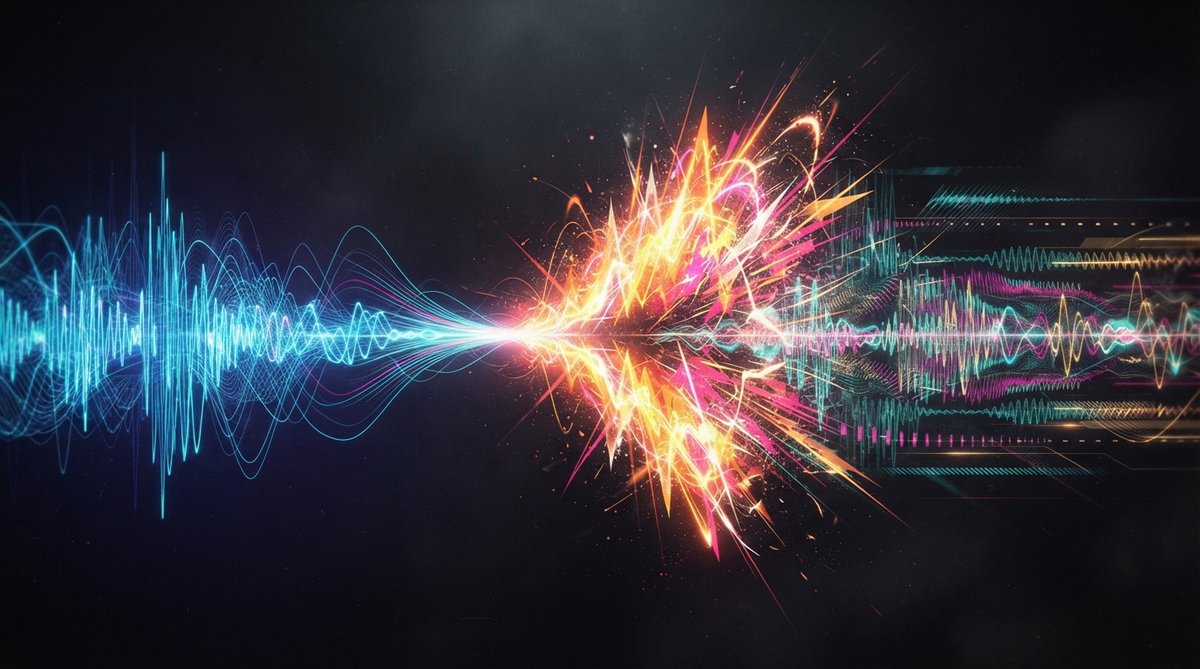
The Importance of Structure in EDM
Unlike some other genres, EDM often relies on predictable yet impactful structures to drive energy. While a simple 8-bar loop might sound great on its own, a full track needs dynamic shifts to maintain interest. Think of your arrangement as a roadmap for the listener, guiding them through peaks and valleys. This is where elements like lead-ins, build-ups, drops, and lead-outs become crucial.
Crafting Your Lead-In: Setting the Atmosphere
The lead-in is your track's first impression. It sets the mood and hints at what's to come without giving everything away immediately. Start subtly, perhaps with atmospheric pads, evolving textures, or a filtered drum loop. Gradual introduction of elements works well here. You might use a lush reverb like RedVerb 2 to create a wide, enveloping space, or dial in some retro character with JP-ME-1 for a classic feel. Pay attention to how the reverb's pre-delay affects the perceived space, as discussed in The Essential Guide To Reverb Pre Delay Adding Depth And Clarity To Your Mix.
A strong lead-in creates intrigue and invites the listener into your track's world, hinting at the energy to come.
Building Momentum: Risers and Build-Ups
This is where you prepare your audience for the main event: the drop. Build-ups are all about increasing tension and energy. Start by gradually adding layers: introduce rhythmic elements, slowly open filters on synths, or bring in white noise sweeps. Risers, which are sounds that increase in pitch or intensity, are key here. They act like sonic ramps, signaling an imminent change. You can learn more about crafting these effects in Designing Cinematic Impacts And Risers For Dramatic Effect. Visualizing the waveform changes with a tool like Oszillos Mega Scope can help you fine-tune the impact of your risers and ensure they hit precisely when needed. For frequency analysis during a build, Spectrum 2 can reveal how your sonic elements are stacking up, helping you avoid muddiness as the energy climbs.
The Heart of the Track: The Drop
The drop is the moment of maximum impact and release. After all that tension, this is where your core groove, powerful bassline, and lead melodies truly hit. Make sure your kick drum and bass are locked in and delivering maximum punch. Techniques like sidechain compression are often used here to make the kick cut through the mix. For an extra layer of impact and clarity, consider using OOMPH on your bus or individual elements to enhance dynamics and presence across different frequency bands. The article Mastering The Drop Building Energy And Impact In Dance Tracks offers more insights into making your drops hit hard.
The drop is your track's defining moment, where all built-up energy explodes into the main groove.
Surprises and Variations: Keeping Interest Alive
Even the best drop can get repetitive if it doesn't evolve. Introduce subtle variations to keep listeners engaged. This could be a new melodic counterpoint, a rhythmic breakdown, a sudden filter sweep, or a change in the drum pattern. Automation is your friend here; automating filter cutoffs, reverb sends, or delay times can add dynamic movement. You might also introduce a wide, shimmering effect on a synth or pad using JUNI 1984 CHORUS, as explored in What Is A Chorus Effect How To Add Width And Movement To Your Mix. These unexpected elements provide "surprises" that refresh the listener's ear, as detailed in Advanced Automation Techniques Bringing Your Mix To Life With Movement.
The Lead-Out: A Smooth Exit
Just as important as the lead-in is the lead-out. This is how you gracefully conclude your track, or transition into the next one in a DJ set. Gradually strip away elements, introduce longer reverb tails, or slowly filter the entire mix. Repeating a key melodic motif with increased space and decay using RedVerb 2 can provide a satisfying sense of closure. The goal is to gently dissipate the energy, leaving the listener with a lasting impression.
Putting It All Together
Arranging an EDM track is an iterative process. Listen critically, experiment with different structures, and don't be afraid to break conventions. Use visual tools like Oszillos Mega Scope to see your transients and Spectrum 2 to monitor your frequency balance across different sections. By carefully crafting each section, from the initial lead-in to the final lead-out, you'll create a dynamic and engaging track that truly stands out.