Understanding the 90s Indie Guitar Aesthetic
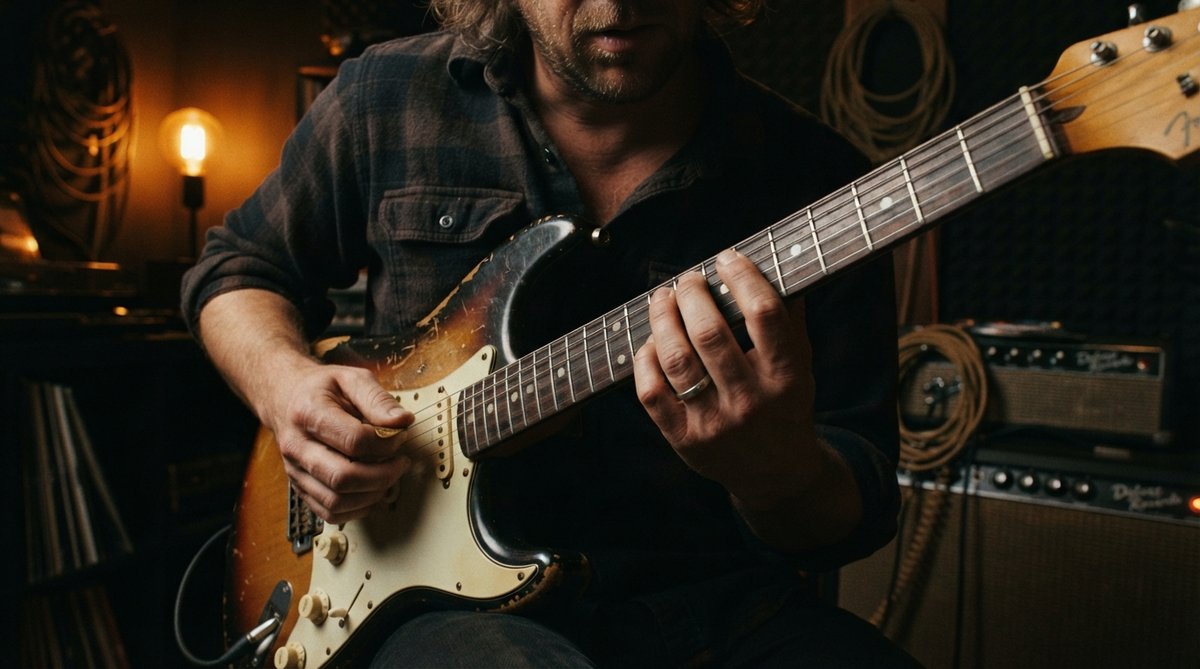
The guitar tones of the 90s indie scene were often characterized by a blend of raw energy, distinct personality, and a certain lo-fi charm. This wasn't always about pristine, polished sounds; instead, it embraced imperfections, feedback, and unique pedal combinations. Think of bands like Pavement, Sonic Youth, or early Modest Mouse. The goal was often more about texture and vibe than technical perfection.
The Foundation: Your Guitar and Amp
While specific guitars (like Jazzmasters or Jaguars) contributed to the era's sound, you don't need vintage gear to start. Focus on getting a solid, clean-ish tone from your guitar into your interface. For the amp, a good amp simulator can recreate the feel of classic low-wattage combos or gritty stacks, allowing you to focus on the character. If you're looking to explore the world of virtual amps, check out our guide on Demystifying Amp Simulators How To Get Studio Quality Guitar Tones Without An Amp.
Gritty Overdrive and Distortion
Central to the 90s indie sound is a distinct flavor of overdrive or distortion. It's often less about super high-gain metal tones and more about a fuzzy, sometimes sputtering, characterful breakup. This is where dedicated drive plugins shine. For a versatile British blues overdrive with amp and cabinet modeling, Schulz Tonebreaker offers an authentic circuit simulation that can deliver those dynamic, touch-sensitive crunch tones. If you're aiming for that truly unique, blown-out lo-fi sound, the Schulz PortaCrunch 424 is ideal. It emulates the preamp gain stages of a legendary cassette four-track recorder, delivering everything from warm cleans to saturated fuzz. This plugin is a secret weapon for achieving that distinct 90s bedroom recording vibe, not just for guitar but also for bass, drums, and synths.
Embrace imperfection; often, the 'mistakes' or unique characteristics of older gear are what define the iconic 90s indie guitar sound.
Modulation: The Chorus Effect
Chorus pedals were ubiquitous in the 80s and early 90s. From subtle widening to swirling, watery textures, chorus can add significant character. The JUNI 1984 CHORUS plugin faithfully models a classic analog Bucket Brigade Delay (BBD) chorus unit, perfect for adding that warm, wide, and sparkly texture that defines many vintage tones. Experiment with different depth and rate settings to find your sweet spot, from a subtle thickening to a more pronounced warble. Learn more about creative uses for chorus beyond synths in our article Beyond Synths Creative Ways To Use Chorus On Vocals Guitars Reverbs.
Reverb for Space and Vibe
Reverb in 90s indie wasn't always about huge, pristine spaces. Often, it was simpler, sometimes a bit grainy, or used to create a sense of intimacy. The JP-ME-1 plugin, which emulates a famous 1980s digital reverb, offers twelve iconic sounds that can instantly transport your guitar back to that era with its distinct character. For more versatile sound design, RedVerb 2 allows you to load impulse responses and tweak parameters like size, decay, and pre-delay to dial in anything from small, gritty rooms to more expansive, atmospheric spaces. Remember, a little bit of characterful reverb can go a long way.
Adding Lo-Fi Charm with Tape Saturation
Many 90s indie recordings were done on budget gear, including cassette multi-track recorders, which imparted a natural compression, saturation, and subtle pitch instability. This 'tape warmth' is a cornerstone of the lo-fi sound. As mentioned, Schulz PortaCrunch 424 excels at this, offering that iconic cassette preamp tone. It's a fantastic way to introduce authentic warmth, color, and gentle compression to your guitar tracks, making them sound like they've been lovingly recorded through vintage hardware. For a deeper dive into this sound, read our article How To Get That Authentic Cassette Tape Sound In Your Daw.
The Schulz PortaCrunch 424 is your essential tool for genuine 90s lo-fi grit, replicating the beloved character of cassette multi-track recording.
Visualizing Your Tone
While tone crafting is primarily about listening, visual analysis tools can be surprisingly helpful in a home studio. Oszillos Mega Scope provides a real-time visualization of your waveforms, helping you understand how your chosen effects are shaping the sound's dynamics and sustain. Similarly, Spectrum 2 allows you to inspect the frequency content, ensuring your lo-fi grit isn't becoming an unmanageable muddy mess. These tools, available individually or as part of the Oszillos & Spectrum Bundle, can provide valuable feedback as you sculpt your sound. You can also find these and other plugins in comprehensive bundles like Oszillos + Spectrum + RV 2 + JP-ME-1 or OMS + SPC2 + RV2 + OOMPH + J84C + JP-ME-1.
Final Touches: Dynamics and Mix
Keep the dynamics somewhat raw. Avoid over-compressing your guitar, letting the natural punch and decay of the notes come through. Often, the guitar sat a bit forward in the mix, sometimes with elements of feedback or controlled noise. Don't be afraid to let a little 'dirt' remain; it's part of the charm. Experiment with panning and stereo width, but always prioritize the song's energy and feel over pristine fidelity.