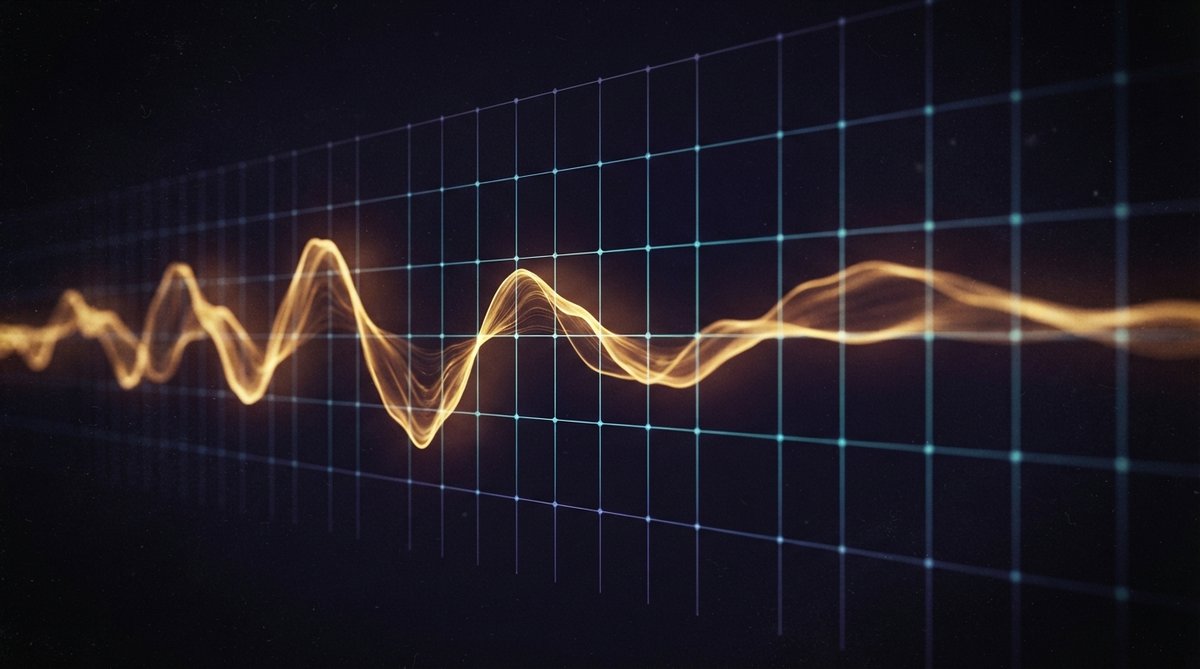
The Quantization Conundrum
Quantization is a powerful tool in music production. It snaps notes and events to a predefined rhythmic grid, ensuring everything is perfectly in time. This is incredibly useful for achieving tight, precise arrangements, especially in genres like electronic dance music or pop where a rigid rhythmic foundation is often desired.
However, relying solely on 100% quantization can sometimes lead to performances that feel stiff, robotic, or lacking a certain 'soul.' Human musicians naturally introduce subtle variations in timing, velocity, and duration. These micro-deviations are what give a performance its unique character and contribute significantly to its overall groove and rhythm.
Perfectly in time isn't always perfectly in feel; humanizing brings back the natural rhythmic ebb and flow.
Understanding the Elements of Human Groove
To effectively humanize a performance, it helps to understand what makes a human performance feel good. It's not just about hitting the notes on time, but also: * Micro-timing shifts: Some notes might be slightly ahead or behind the beat. * Velocity variations: The intensity with which notes are played changes, even subtly. * Note duration: Notes might be held slightly longer or shorter than their quantized value. * Dynamic nuance: The overall loudness and softness of phrases ebb and flow.
Techniques for Humanizing MIDI Performances
When working with MIDI, you have a high degree of control over individual note parameters, making humanization relatively straightforward.
Adjusting Quantization Strength
Instead of quantizing 100%, try applying it at 70-90%. This pulls notes closer to the grid while retaining some of the original performance's micro-timing. Many DAWs also offer 'swing' or 'groove' quantization, which applies a specific rhythmic feel (like a shuffled sixteenth note) to your performance, moving notes slightly off the grid in a musical way.
Randomizing Parameters
Most DAWs have functions to randomize MIDI parameters within a defined range. Applying a small amount of randomization to velocity, timing, and note length can quickly break up a rigid, quantized feel. Even a ±5% variation can make a noticeable difference. For more detailed visual feedback on how these timing shifts affect your sound, especially for elements like drums or bass, tools like Oszillos Mega Scope can be invaluable. Observing the waveform shifts can help you fine-tune your humanization settings. For further reading on visualizing rhythmic elements, check out Mastering Drum Transients Visualizing Your Drum Programming For Impact And Groove and Achieving Tight Bass Visualizing Low End Interactions For A Powerful Mix.
Manual Micro-Adjustments
For critical parts like a lead melody or a bassline, sometimes the most effective method is to manually nudge individual notes slightly off the grid. Zoom in on your MIDI editor and experiment with pushing notes a few ticks early or late. Pay attention to how these small adjustments affect the feel of the phrase in context with other instruments.
Even tiny, intentional deviations from the grid can breathe life and organic feel into an otherwise stiff performance.
Beyond MIDI: Injecting Feel into Audio
While MIDI offers direct control, you can apply similar principles to audio. For example, using a transient shaper like OOMPH can subtly alter the attack and sustain of individual hits, affecting the perceived rhythm and groove without directly changing the timing. Careful slicing and nudging of audio regions can also introduce those desirable micro-timing shifts, though it requires more precision than MIDI editing.
The Role of Rhythm and Timing in Overall Mix Cohesion
A well-humanized performance contributes significantly to the overall cohesion and emotional impact of your mix. When instruments interact with natural rhythmic give-and-take, the music feels more alive and engaging. This subtle interplay extends to time-based effects as well; explore how creative delays can add to this sense of organic movement in Creative Delay Techniques Adding Dimension And Groove To Your Productions.
Ultimately, humanizing quantized performances is an artistic decision. There's no single 'correct' way to do it, as the goal is to find the balance between precision and natural feel that best serves your musical vision. Experiment with these techniques to find your unique groove.