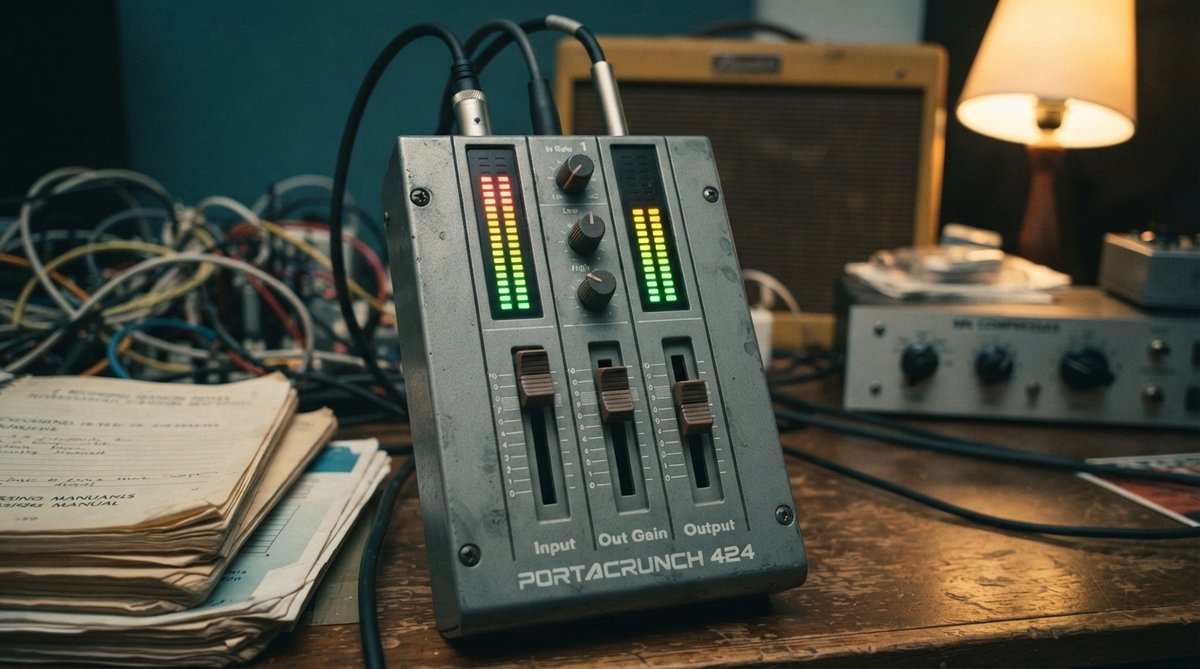
What is Preamp Gain?
A preamp's primary job is to boost a low-level signal (like from a microphone or guitar pickup) to a line-level signal, preparing it for further processing or recording. The 'gain' knob controls how much this initial signal is amplified. As you increase the gain, you're not just increasing volume, but also driving the preamp's circuitry harder. This can introduce harmonic content and compression, fundamentally altering the sound's character.
The Spectrum of Tone: Clean Warmth
At lower gain settings, a quality preamp can impart a desirable 'clean warmth' to your audio. This isn't about distortion; it's about subtle harmonic enhancement and gentle compression that makes a sound feel richer and more 'analog'. It can add weight to vocals, thicken guitars, or give drums a more cohesive feel without sounding obviously processed.
Subtle preamp gain can add desirable analog warmth and gentle compression without noticeable distortion.
For instance, emulations of classic preamps, like those found in the Schulz PortaCrunch 424, are renowned for their ability to deliver warm, colorful clean tones. By carefully adjusting the gain, you can infuse your tracks with that sought-after character, making them sit beautifully in a mix.
Moving into Saturation and Overdrive
As you push the gain further, the preamp begins to enter its saturation zone. This is where the signal starts to clip softly, adding more pronounced harmonics and a smoother, more sustained quality. This 'clean saturation' can be incredibly musical, enhancing sustain on guitars or adding a pleasant 'grit' to drums. Beyond saturation, more aggressive gain settings lead into true overdrive, where the clipping becomes much more noticeable, creating the classic distorted sounds heard in rock and blues.
Take the Schulz Tonebreaker, for example. It's designed to faithfully recreate the classic British blues overdrive sound. By manipulating its gain stages, you can go from a mild, bluesy crunch to a searing, saturated lead tone. Similarly, the Schulz PortaCrunch 424 isn't just for clean warmth; it's also capable of delivering gritty overdrive and even saturated, blown-out fuzz, capturing the iconic sounds of 90s lo-fi.
Experimenting with preamp gain allows you to sculpt tones from subtle harmonic richness to aggressive, distorted textures.
Tone Shaping Techniques with Preamp Gain
Effective use of preamp gain is a powerful tone shaping technique. Here are a few approaches:
- Dynamic Response: Pay attention to how the preamp reacts to your input signal's dynamics. A good preamp plugin will respond dynamically, cleaning up when you play softly and breaking up when you hit it harder, just like real analog hardware. This allows for expressive performances.
- Stacking Gain Stages: Sometimes, a single preamp isn't enough. Stacking multiple gain stages, either within a single plugin or by using multiple plugins in series, can create complex and rich distortion characteristics. Each stage adds its own flavor of harmonics and compression.
- Parallel Processing: For more control, try sending your signal to two tracks: one clean, one heavily processed with preamp gain. Blending these two signals can give you the best of both worlds: clarity and definition from the clean signal, and character and sustain from the distorted one.
Whether you're aiming for a subtle, warm enhancement or a full-on gritty assault, understanding and manipulating preamp gain is a crucial skill for any audio engineer or musician. It's a key ingredient in crafting memorable and impactful sounds.